Mobile Games That Focus on Skill Instead of Luck
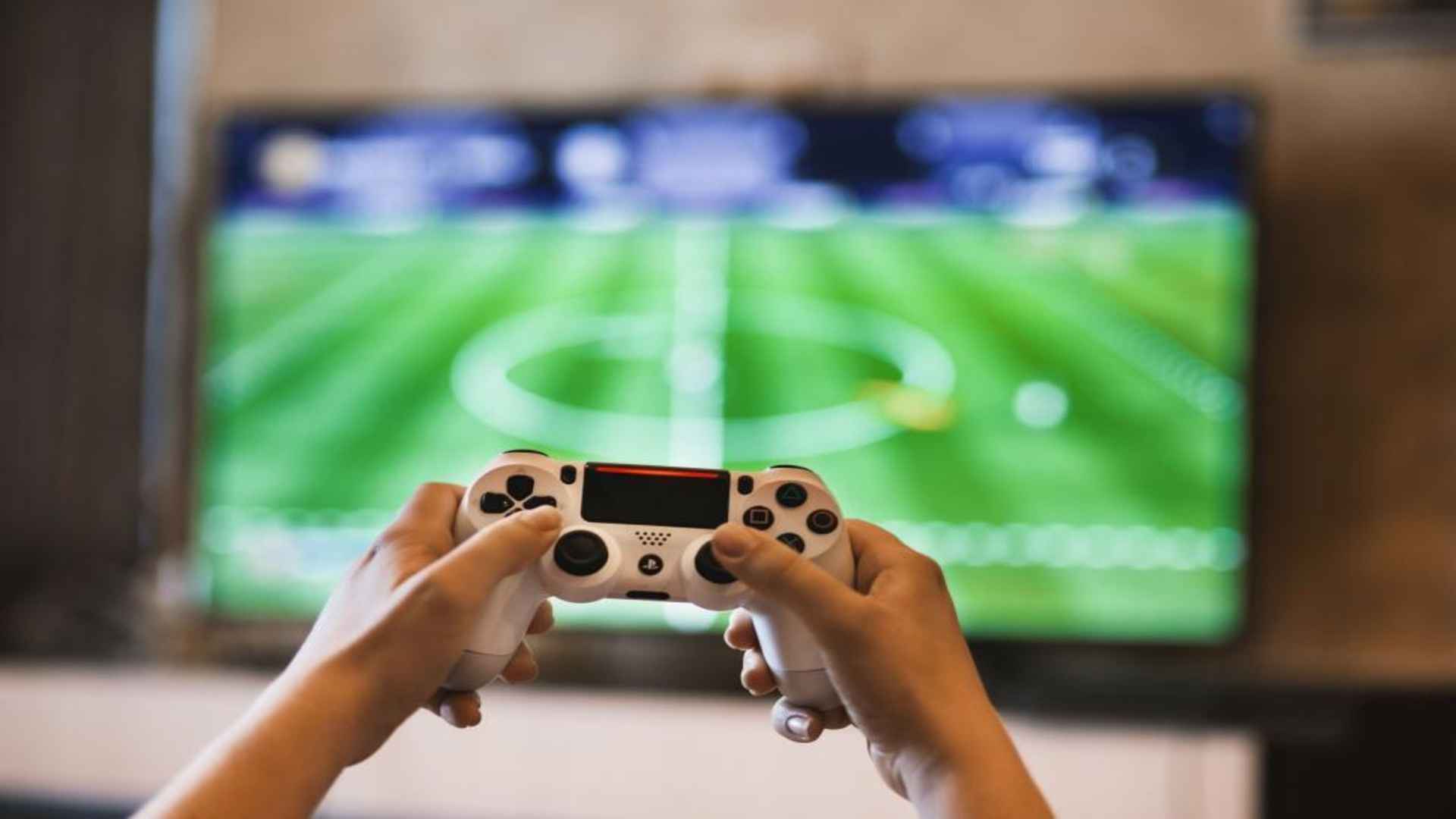
The mobile gaming industry is witnessing a significant shift as players increasingly move away from games determined by chance toward those that reward individual proficiency. Modern audiences are looking for experiences where their strategic decisions and mechanical reflexes directly influence the outcome of every match. This transition reflects a broader desire for digital entertainment that offers a sense of genuine achievement and personal growth.
The Core Principles of Skill-Based Mechanics
In a skill-based environment, the game design prioritizes player agency and predictable mechanics over random number generation. This means that success is a result of practice, memory, and tactical execution rather than a lucky roll of the virtual dice. Developers achieve this by creating balanced rulesets that allow high-level players to consistently outperform beginners through superior strategy.
Understanding the difference between luck and expertise is vital for anyone looking to improve their competitive standing. While casual games often use randomness to keep the playing field level, skill-focused titles provide a transparent ladder for progression. This transparency builds trust within the community, as players know that their time spent practicing will eventually lead to better results and higher rankings.
Popular Genres Elevating Player Expertise
Competitive puzzle games and real-time strategy titles are at the forefront of this movement, challenging the cognitive limits of their users. These games require players to process complex information quickly and make split-second decisions that can turn the tide of a game. By removing external variables, these platforms ensure that the most prepared participant emerges victorious in every encounter.
Technical shooters and battle royales have also refined their mechanics to emphasize precision aiming and map awareness. Players often spend hours in training modes to master recoil patterns and movement techniques that give them a distinct edge. For those who prefer a different kind of challenge, exploring a m88 toto platform can provide an alternative way to test one's analytical skills and predictive capabilities in a structured environment.
Building Cognitive Skills Through Interactive Play
Engaging with skill-intensive mobile games can lead to tangible improvements in hand-eye coordination and spatial reasoning. Many studies suggest that the intense focus required for these games helps sharpen the mind and improves problem-solving abilities in real-world scenarios. This cognitive development makes the gaming experience feel more productive and rewarding for long-term participants.
Furthermore, the social aspect of competitive gaming encourages collaborative learning and the sharing of advanced tactics among peers. Communities often form around specific titles to discuss meta-strategies and analyze professional gameplay footage to find new ways to win. This collective intelligence further reduces the impact of luck, as the community continuously discovers more efficient ways to handle in-game challenges.
The Future of Fair Competition in Gaming
As mobile hardware becomes more powerful, we can expect to see even more sophisticated systems that track and reward player proficiency. Matchmaking algorithms are becoming increasingly precise, ensuring that players are always grouped with opponents of a similar skill level. This creates a fair and challenging environment that keeps the gameplay loop engaging without relying on artificial hurdles.
The growth of this sector highlights a fundamental change in how we define digital value and entertainment. By focusing on skill, developers are creating sustainable ecosystems that value the dedication and talent of their player base. This shift ensures that the future of mobile gaming will remain focused on the human element, where every victory is earned through effort and ingenuity.