Random Rewards and Long-Term Game Success
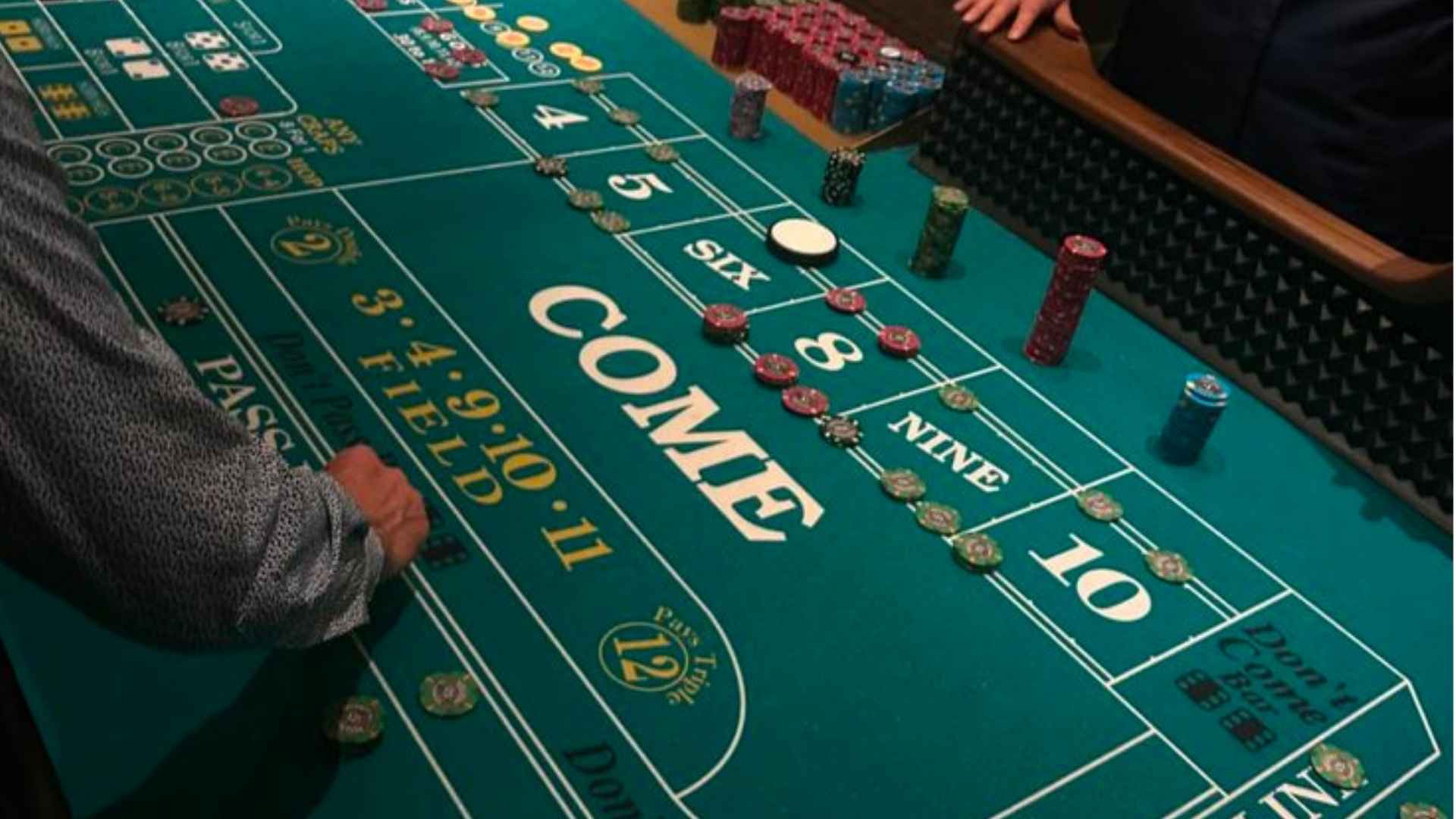
The longevity of modern interactive entertainment relies heavily on sustaining a vibrant player community over extended periods. While linear milestones offer a clear sense of progression, integrating chance-based incentives keeps the core experience dynamic and engaging. Discovering the exact balance between player effort and unexpected distribution remains a primary focus for contemporary developers seeking lasting engagement.
The Psychology of Variable Reinforcement
Human behavior responds powerfully to unpredictable outcomes, a concept deeply rooted in behavioral psychology. When players are uncertain of their next reward, their curiosity and overall emotional investment naturally increase. This cognitive drive transforms routine gaming loops into memorable moments of discovery that encourage players to return daily.
Fixed milestones provide stability, but they can eventually lead to player fatigue once the outcome becomes completely predictable. By mixing unexpected bonuses into standard progression paths, studios can effectively mitigate churn. Many platforms leverage these dynamic models to build steady communities, and interested players can visit M88asia to observe how modern entertainment loops operate in controlled digital environments.
Balancing Player Effort with Chance
Creating a sustainable virtual ecosystem requires a delicate equilibrium between absolute luck and pure player skill. If randomized drops are too frequent, the perceived value of rare items diminishes rapidly within the community. Conversely, setting the odds too low can alienate participants, making them feel that their time is not respected.
To solve this, forward-thinking designers implement transparent probability models alongside guaranteed safety nets. For example, pseudo-random distribution ensures that players eventually receive rare items after a set number of attempts. This architectural approach preserves the thrill of surprise while maintaining a sense of fairness that protects long-term engagement.
Sustaining the Virtual Economy
In live-service games, random reward systems serve as the foundation for simulated marketplaces and player-driven economies. Introducing seasonal drops and time-limited events creates a natural sense of urgency and healthy economic circulation. Players are motivated to trade, collaborate, and showcase their unique discoveries within the broader community.
A well-regulated economy prevents top-tier players from permanently dominating the landscape, bridging the power gap for newer participants. By offering unexpected cosmetic or utility bonuses, developers keep the virtual environment feeling fresh and accessible. Ultimately, the integration of unpredictable incentives ensures that game ecosystems remain viable and profitable for years to come.