Tag: Achievement Rewards

Poker Terminology For Consistent Card Success
Navigating the competitive landscape of card games requires more than just understanding standard hand rankings and baseline probabilities. True mastery comes from internalizing the specific terminology that regular players use to dissect shifting table dynamics and formulate high-level strategies. By mastering this technical dialect, serious enthusiasts can transition away from guesswork and establish a highly calculated path toward long-term victory.
Decoding Positional Advantage and Spatial Logic
In any structured card game, where you sit relative to the dealer button dictates your logical options for the entire hand. Terms like under the gun represent the earliest and most vulnerable positions, forcing players to act without knowing their opponents' intentions. Conversely, holding the button position grants the ultimate strategic benefit of acting last in subsequent betting rounds.
Understanding this spatial vocabulary helps players categorize their opening requirements and manage systematic risks with high precision. Experienced competitors adjust their ranges dynamically based on these structural boundaries, folding weak combinations early while expanding options from late seats. Developing a deep familiarity with seating terminology transforms raw cards into highly flexible strategic tools.
The Mathematical Foundations of Expected Value
Achieving reliable results across multiple sessions requires a firm grasp of the specialized vocabulary that describes mathematical risks and potential returns. Concepts such as pot odds compare the current size of the pool with the cost of a future wager to determine if a decision is mathematically profitable. Meanwhile, implied odds allow players to project potential earnings from future betting actions if their drawing hands hit successfully.
By filtering every critical table situation through these metrics, strategic thinkers remove emotional bias and execute objective choices. For those looking to study these advanced concepts in digital environments, utilizing a reputable portal like M88asia offers an excellent way to witness these structural calculations in real-time. Tracking these essential values separates short-term hobbyists from disciplined long-term winners.
Psychological Metrics and Board Classification
Beyond individual positions and percentages, consistent success relies on how effectively you analyze the active cards dealt face-up in the middle of the table. A dry board texture features disconnected cards that offer minimal opportunities for straight or flush draws, simplifying defensive strategies. In contrast, a wet board contains highly coordinated values, warning tactical players that massive corporate updates to hand strength are likely unfolding.
Recognizing these distinct textures allows competitors to accurately predict opponent behaviors and execute precise bluffs or value bets. This linguistic framework ensures that you can categorize historical hands during study groups or break down performance metrics clearly with peers. Mastering these descriptors builds a commanding mental presence that easily withstands intense pressure.
Managing Analytical Variance and Mindset
The journey toward reliable card results always includes encountering unpredictable swings of luck known as variance. A bad beat occurs when a highly favored, statistically dominant hand suffers an unlikely loss due to a fortunate card on the final street. Learning to label these moments correctly helps strategic thinkers maintain an elite mental approach and avoid emotional frustration.
When a player lets frustration compromise their logic, they enter a destructive psychological state known as tilt. Recognizing the terminology behind these mental traps allows serious competitors to implement strict routines and maintain absolute control over their bankrolls. Fluency in table language ultimately creates a sustainable foundation for ongoing tactical growth.
Multiplayer Games with Global Communities
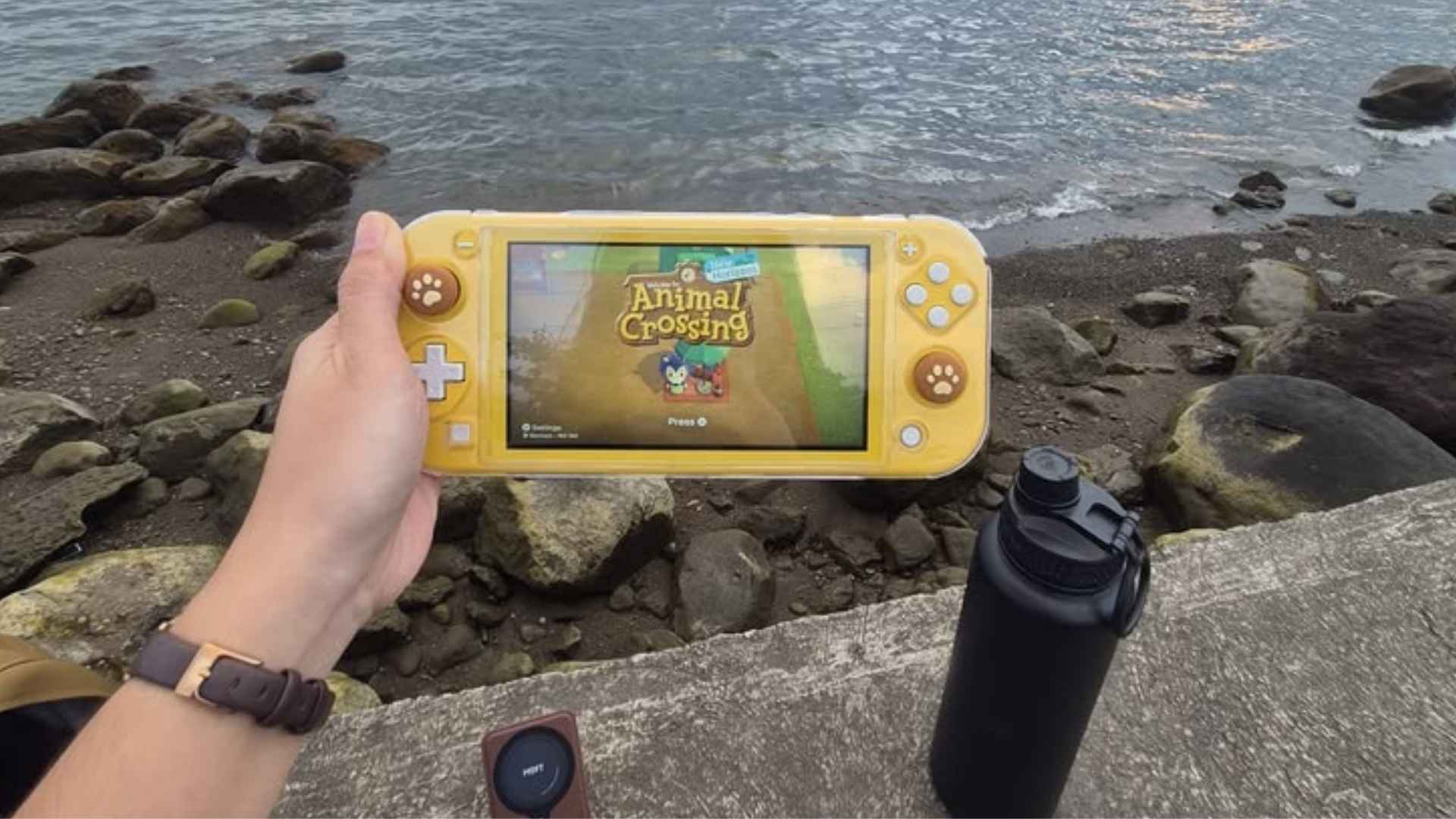
The modern digital era has transformed how people interact online, turning video games into dynamic social hubs rather than isolated activities. Millions of players connect daily across various platforms to collaborate, compete, and share unforgettable experiences. This shift has laid the groundwork for competitive digital spaces that cross traditional geographic boundaries.
Breaking Barriers Through Shared Worlds
Online multiplayer platforms allow individuals to interact with others across the globe, forming vibrant and highly supportive communities. By breaking down regional barriers, these games give players a chance to communicate and build lasting relationships regardless of distance. This interconnected environment fosters deep communication and shared responsibilities among participants.
As technology continues to improve, developers are creating even more immersive spaces for international interaction. To enjoy these expansive virtual networks, players often look for platforms like M88asia to explore diverse options. These hubs connect players to modern systems designed to enhance digital gaming experiences worldwide.
The Cultural Impact of Global Play
The rise of virtual worlds has fundamentally changed the way individuals view entertainment and lifestyle choices. Gaming communities have grown into influential cultural spaces where technology, competition, and fashion intersect. This evolution allows people from completely different backgrounds to find common ground through shared goals.
Furthermore, active participation in these networks demands significant social adaptation and mutual understanding. Players learn to predict cooperative behaviors and provide mutual support during intense digital matches. These shared experiences ultimately help bridge cultural divides in a highly connected workforce.
Longevity and Continuous Engagement
Achieving true longevity in the modern market requires a delicate balance of deep mechanics and regular developer support. Online titles no longer remain static after launch, relying instead on dynamic content drops to sustain their active user bases. These recurring updates ensure that the virtual world remains fresh and exciting for years to come.
By introducing global tournaments and unique competitive ladders, developers keep their audiences thoroughly engaged. Dedicated communities continue to thrive as players find new reasons to log in every single day. This continuous cycle of evolution ensures that digital arenas remain vibrant and globally connected.

Irish Poker Rules and Smart Tactics
Irish Poker is an exciting and fast-paced hybrid card game that beautifully bridges the gap between Texas Hold'em and Omaha. It offers players the high-action potential of receiving four starting cards while maintaining the classic post-flop strategic elements of traditional hold'em. Understanding the unique transition phase of this game is the key to transitioning from a curious beginner to a profitable player.
The Core Rules of the Deal and Discard
The game begins similarly to Omaha, with each player receiving four private hole cards dealt face down. Forced bets are posted using standard small and big blinds, followed by an initial pre-flop betting round. Players must carefully evaluate the potential of their starting hand before committing chips to the pot.
The defining twist of Irish Poker occurs immediately after the flop is dealt and the subsequent betting round concludes. Before the turn card is revealed, every active player remaining in the hand must permanently discard two of their hole cards. This critical decision leaves each player with exactly two hole cards for the remainder of the hand.
Once the discard phase is completed, the game progresses exactly like traditional Texas Hold'em. The dealer reveals the turn card, followed by a betting round, and then the final river card is dealt face up. The player who can construct the best five-card hand using their two remaining hole cards and the five community cards wins the pot.
Smart Tactics for the Pre-Flop Phase
Many beginners make the mistake of playing too many starting hands because having four cards makes everything look playable. Successful competitors focus strictly on well-coordinated holdings such as double-suited connectors or high pocket pairs with strong backup cards. Playing disconnected or weak cards pre-flop will often trap you in highly unprofitable post-flop situations.
For players looking to test their skills and refine these strategies in real-time, finding a reliable online platform is essential. Using trusted platforms like M88asia can offer a safe environment to practice reading opponents and mastering various poker variants. Developing a disciplined approach to your starting hand selection will immediately place you ahead of the competition.
Mastering the Flop and Discard Decision
The discard phase after the flop is where the true strategic depth of Irish Poker shines. You must analyze the texture of the board and determine which two cards offer the most robust combination of current strength and future drawing potential. It is often wise to keep cards that offer multiple paths to victory, such as having both a made pair and a strong back-door flush draw.
Evaluating your opponents' likely holdings during this phase is equally critical. Since everyone must discard down to two cards, players will generally keep their strongest possible holdings, which dramatically increases the average hand strength at the showdown. Do not overvalue weak top-pair hands on highly coordinated boards where straight or flush draws are highly likely.